Canada Just Entered a Recession — Here’s What It Means for Interest Rates and Mortgages

Canada officially entered a technical recession last week.
Q1 GDP came in at -0.1% annualized. Economists were expecting +1.5%.
Two consecutive quarters of negative growth meets the textbook definition — the first time we've been here since 2020.
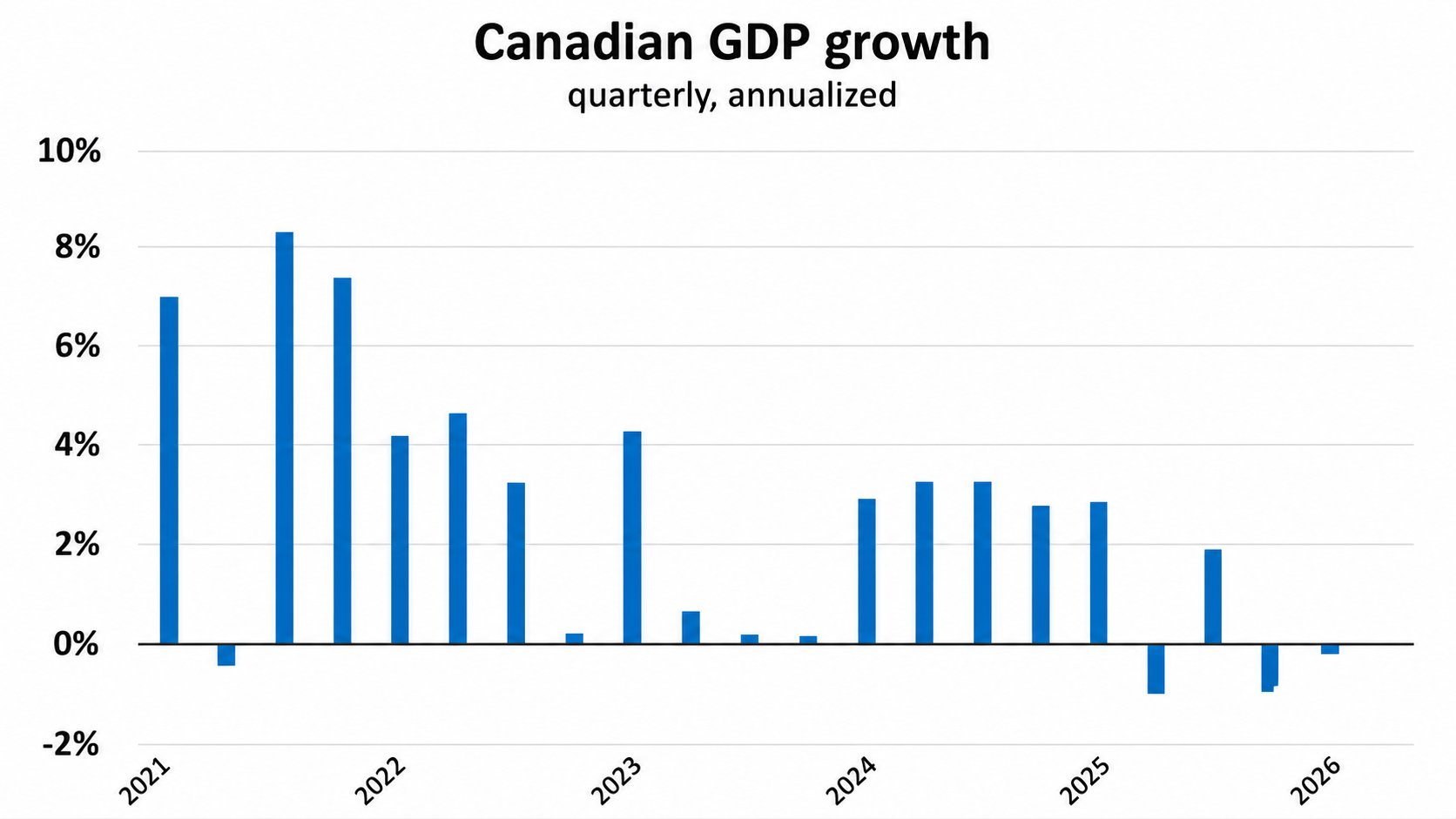
Here's the honest take: a -0.1% contraction is basically a rounding error. It could get revised positive next quarter — these numbers move around. But even if it does, the headline isn't going away. People hear "recession" and they pull back. That pullback becomes self-reinforcing, which is the real risk here.
The one bright spot is that early estimates for April show GDP bouncing back 0.4% — a decent handoff into Q2. The economy stumbled, it didn't collapse.
The underlying weakness is real though.
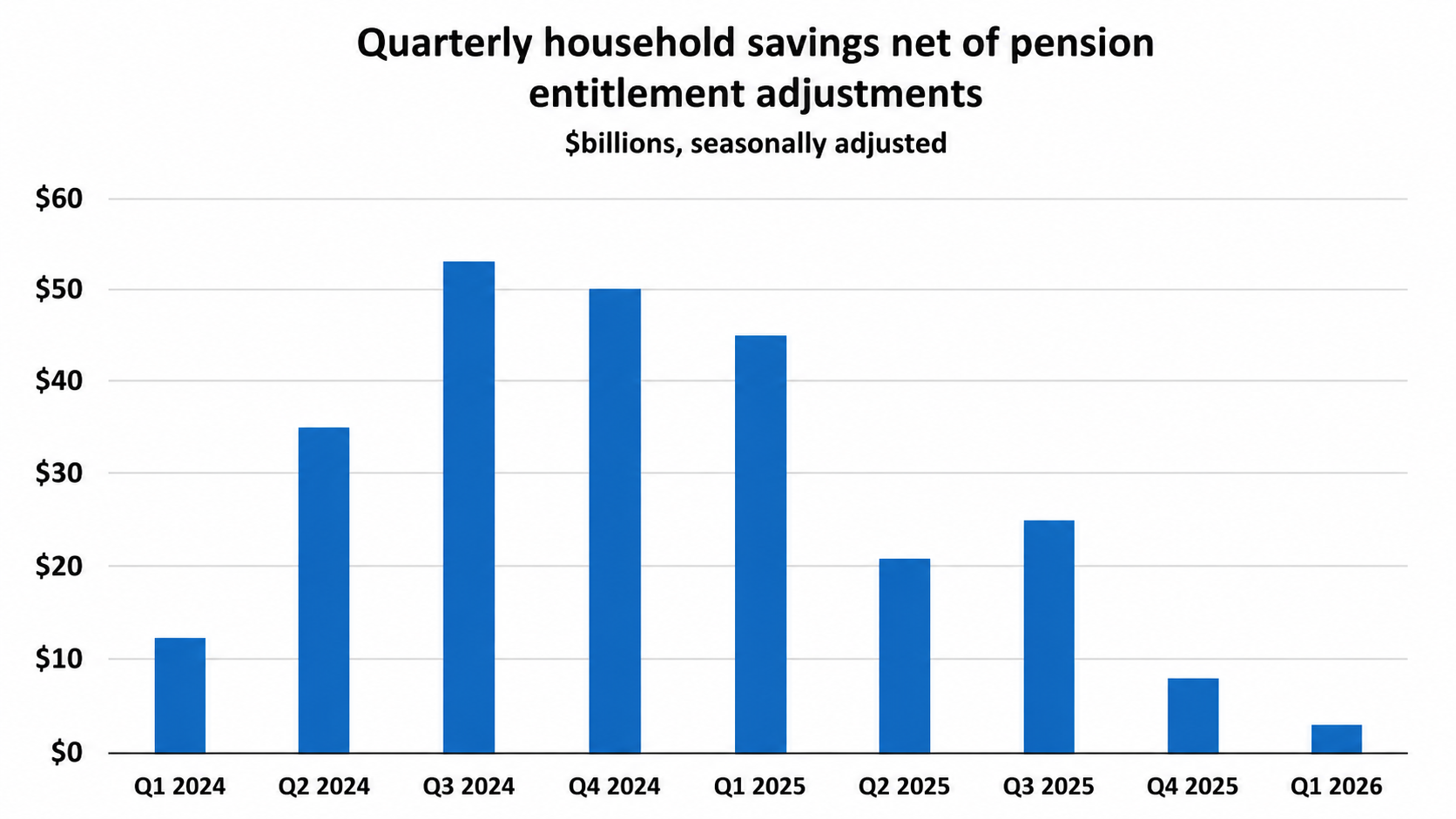
Beyond the GDP headline, the data paints a consistent picture of a stretched Canadian consumer. Active household savings have dropped roughly 94% compared to the same quarter last year. Disposable income growth has slowed to 2% — down from 7% a year ago. Debt is growing faster than income.
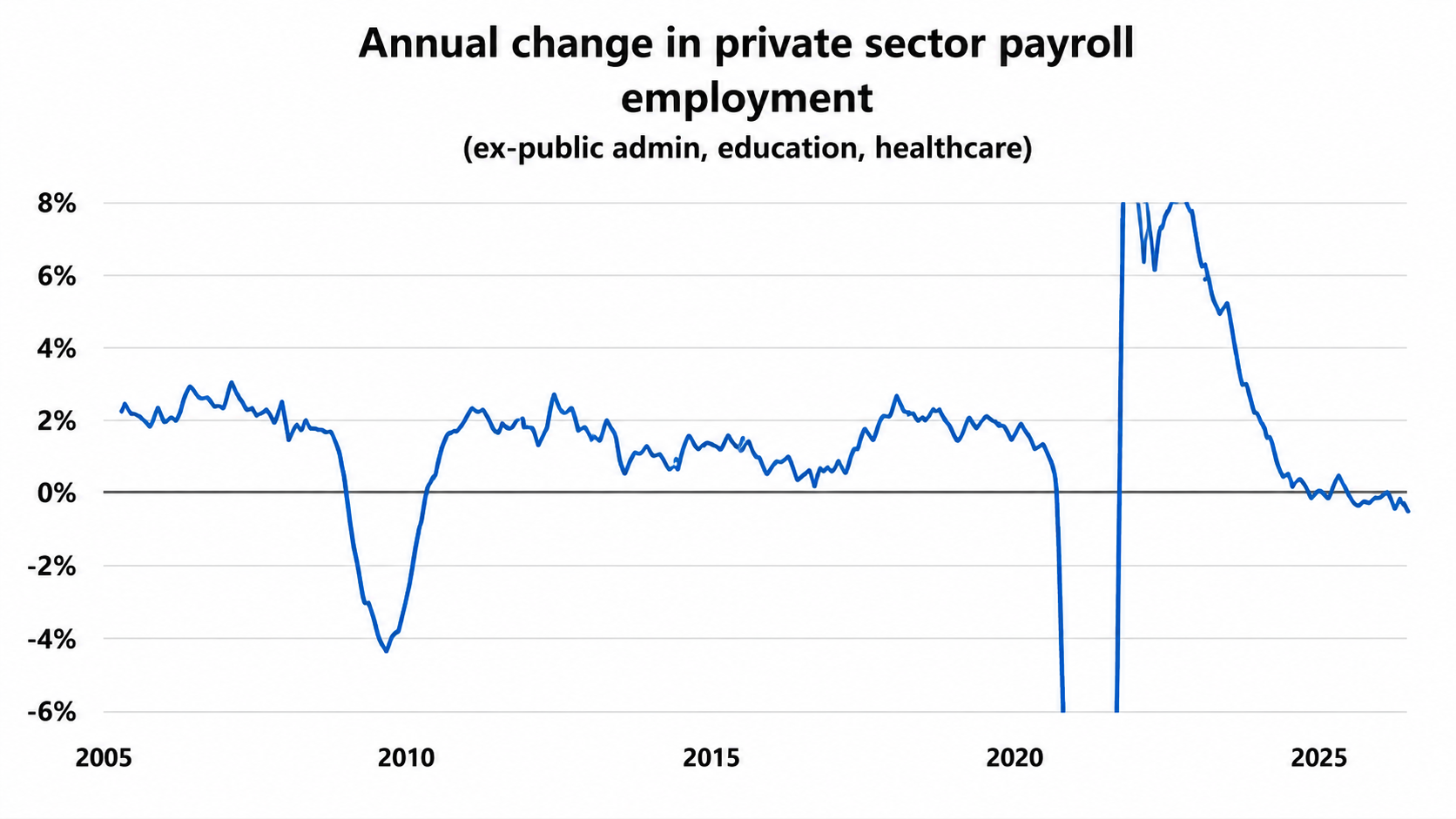
On the jobs side, private sector payrolls have declined three times in the last four months. When you back out government hiring, the picture is worse. The private sector is the backbone of the economy and it is clearly hurting.
Private sector jobs exist because businesses see real demand — no government subsidy, no policy decision. When private sector hiring shrinks, it means businesses are pulling back, and that's the cleanest signal we have on the true health of the economy.
We also have the Labour Force Survey dropping this week, which will add another layer to this story.
There continues to be weakness for many Canadians.
Canadian savings rates have dropped 94% relative to the same quarter last year, adjusting out pensions savings. Disposable income are deaccelerating. And debt to income ratios have ticked up.
What this means for your mortgage.
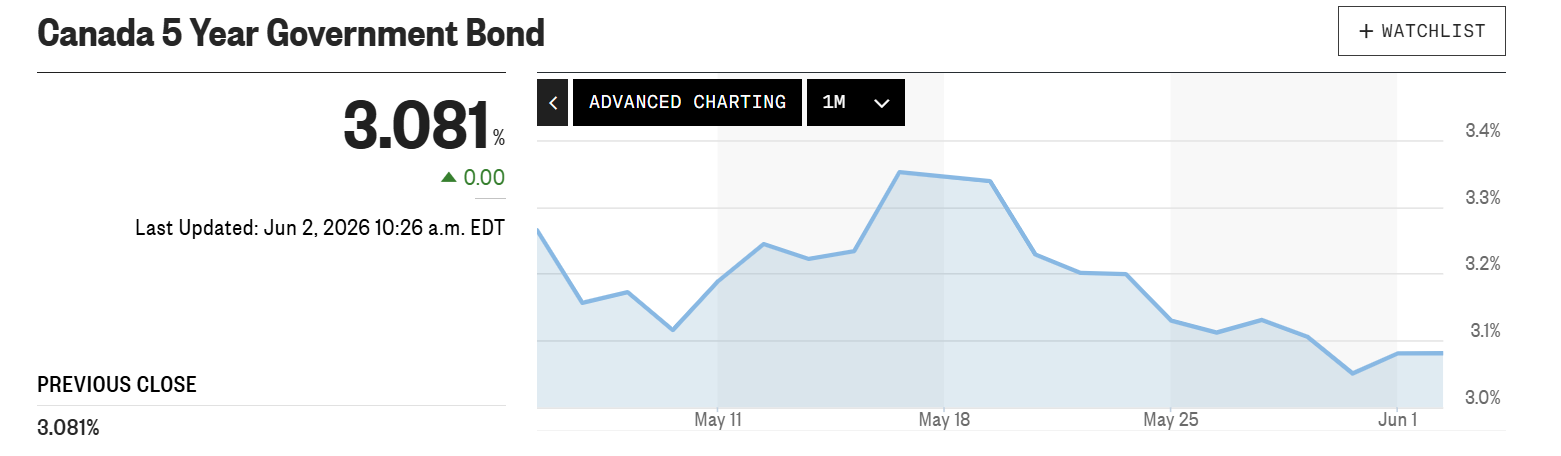
Fixed rates have been creeping higher over the past couple weeks.
The weak GDP and payroll data pulled bond yields down, which is the right direction — but don't expect an immediate drop in fixed rates. Markets are volatile and lenders need to see this trend hold before they move. One data point doesn't reprice a mortgage market. And every piece of news has had volatile impacts on yields.
What it does do is make it harder for the Bank of Canada to justify hiking into a weakening economy. Every soft data print chips away at that case.
If you have a renewal, refinance, or purchase coming up — reply and let's talk through your options!
Austin Yeh is a Smith Manoeuvre Certified Professional and independent mortgage agent based in Toronto, funding mortgages across Canada. He specializes in advanced mortgage strategies for high-income earners, real estate investors, and self-employed borrowers.
Lender features and policies are subject to change. Always verify current product details directly with the lender or through an SMCP-certified mortgage broker. This article is for educational purposes and does not constitute financial or mortgage advice.